How to Host an Event People Actually Show Up To
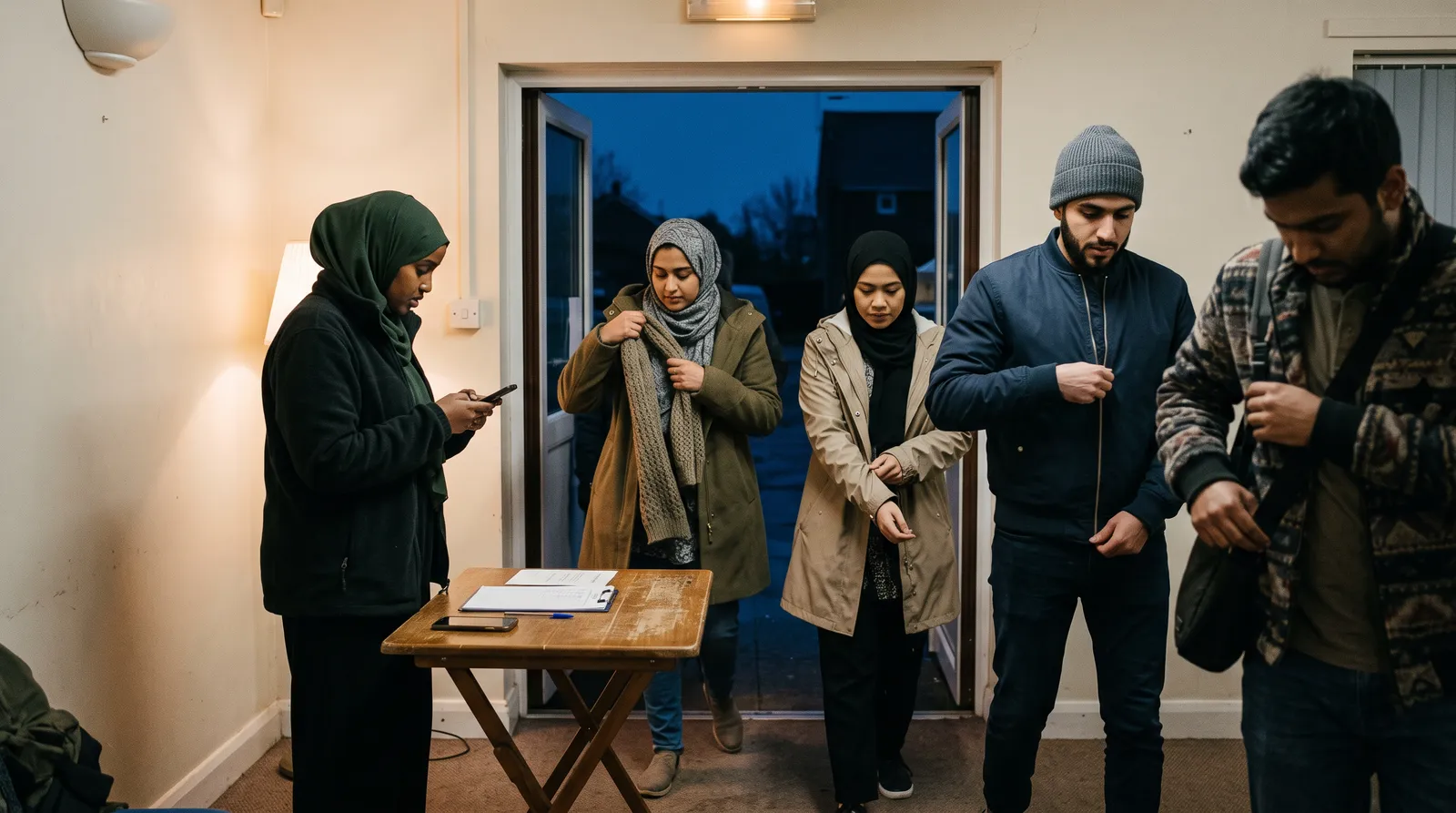
The gap between how many people said yes and how many walked through the door is the only number that matters when you host something. Everyone who has run a community event knows the feeling. Forty in the group chat said they were coming. You booked for forty. Twelve arrived, and you ate the rest of the food yourself.
That gap is not bad luck and it is not a reflection of how much people like you. It is almost always caused by four decisions made before anyone was invited.
Pick a time before you pick anything else
The single most common reason an event underfills is that it was scheduled around the host rather than around the people meant to attend.
Weeknights after 7pm work for students and people who live close to the venue. They fail for anyone commuting, anyone with young children, and anyone who prays maghrib at home. Saturday mornings are the opposite. They lose the people who work weekends and win almost everyone else, especially families.
Pick the slot for the audience you actually want. If you want brothers in their twenties, Sunday morning football at 8am will fill and a Tuesday 8pm talk will not. If you want families, you need a weekend daytime slot and you need to say children are welcome, because otherwise people assume they are not.
The second half of this is stating the end time. An event with a start and no end reads as an open-ended commitment, and people who are unsure will decline rather than risk being stuck. "7:30 to 9" gets more yeses than "7:30 onwards" from exactly the people you are trying to reach.
Say who it is for
The vaguer the audience, the fewer people feel invited.
"Come hang out" sounds welcoming and performs terribly. Nobody knows whether they are the intended guest, so everyone waits for someone else to commit first. "Sisters' book club, first Saturday of the month, ages roughly 20 to 35" sounds narrower and will fill faster, because every person reading it knows immediately whether it is meant for them.
This is where being explicit costs you nothing. Say whether it is sisters only, brothers only, or open to everyone. Say whether children are welcome. Say whether food is provided and whether it is halal. If you do not say these things, you will spend the week before the event answering them one message at a time, and the people who did not want to ask will simply not come.
On Fazool these are settings rather than sentences. You set the gender and the halal food flag when you create the event, and they print on the card, in search results, and in the reminder that goes out the day before. Nobody has to ask you in the comments.
Cap the list, and mean it
A capacity limit feels like it will reduce attendance. It does the opposite.
An uncapped list gives nobody a reason to decide today. There is always room, so there is no cost to leaving it until the morning, and the morning is when other plans appear. A capped list creates a real deadline. "Twenty spots" makes the tenth person commit now instead of later, and the person who genuinely cannot make it releases their spot instead of quietly not turning up.
Caps also change what you can plan. If you know twenty people are coming rather than somewhere between twelve and forty, you can order the right amount of food, book the right room, and stop guessing.
Set the number slightly below what the room holds. A full room of eighteen feels alive. The same eighteen in a hall set for forty feels like an event that failed.
Send the reminder, or have something send it
Most people who say yes and do not arrive are not flaking. They forgot.
An RSVP given eleven days out lives in a group chat that has since scrolled past it. Unless something surfaces the event again closer to the day, a meaningful share of your list will remember at 9pm that evening. The fix is unglamorous. One reminder the day before and one an hour ahead recovers most of the gap on its own.
If you are running this by hand, that is two messages you have to remember to send at two specific times, which is why most hosts do it once and then stop. Fazool sends both automatically to everyone who said yes, so it happens whether or not you remember.
Make it repeat
The first event you run is the hardest one, and it is also the least important.
One large launch that never happens again builds nothing. Twelve people every fortnight builds a room, because by the third or fourth time the same faces are showing up, they bring someone, and the thing starts to run without you. Community is a function of repetition, not attendance.
This is the mistake most first-time hosts make. They plan something ambitious, spend a month on it, exhaust themselves, and never do it again. Start smaller than feels worthwhile. A recurring slot with eight regulars beats a one-off with sixty every single time.
Do you need a venue?
Not for most things. The venue question stops more first events than it should.
Parks are free and work for anything active. Public sports pitches usually take a small booking fee. A library meeting room is often free with a library card. Plenty of masjids will let you use a side room if you ask, and most people never ask. Cafes are fine for anything under about eight people if you go outside peak hours.
Only book a real venue once the thing has repeated a few times and you know your actual numbers. Committing to a hall for an event that has never happened is how hosts end up personally out of pocket.
How do you get the first people to come?
Somebody has to be first, and the first few are always the hardest.
Ask individually rather than broadcasting. A message addressed to one person asking them specifically to come converts far better than the same words posted to a group of two hundred, because a group message asks nobody in particular. Six individual asks will get you more attendance than one announcement.
Then give people something to share that is not a screenshot. A poster in a group chat cannot be forwarded usefully, cannot be added to a calendar, and answers none of the questions people have. A link can. Every public event on Fazool gets its own page with the time, the area, whether it is free, who it is for, and how many people are already coming, and that page is what gets forwarded on.
What if nobody comes?
Then eight people had a good evening, or four did, and you run it again in a fortnight.
The instinct after a quiet first event is to conclude the demand is not there. Usually the demand is fine and the event was simply invisible. Very few people see any given announcement the first time, and the ones who did had no reason to believe it would happen again.
Run it three times before you judge it. If the third one is still quiet, change the time before you change the idea, because the time is wrong far more often than the idea is.
After it is over
Take photos, and put them somewhere people can see.
Next month's event sells itself off last month's room. A photo of fifteen people sat around a table tells someone deciding whether to come far more than any description you could write, and it answers the question everyone silently has, which is whether they will be the only one there.
On Fazool the attendees add the photos themselves to a recap album on the event, so you are not the person taking pictures all evening.
Hosting on Fazool is free. There is no listing fee, no charge per attendee, and no cut taken if you sell tickets. You get a shareable page, RSVPs with a cap, automatic reminders, door check-in, and the recap album.
Host an event, or see what is already on near you.
Related: What is Fazool? | Explore Map