Indian Muslim marriage in DFW
Indian Muslim matrimony in Dallas-Fort Worth: biodata, rishta, and nikah the halal way, with your wali involved and every profile ID-verified.
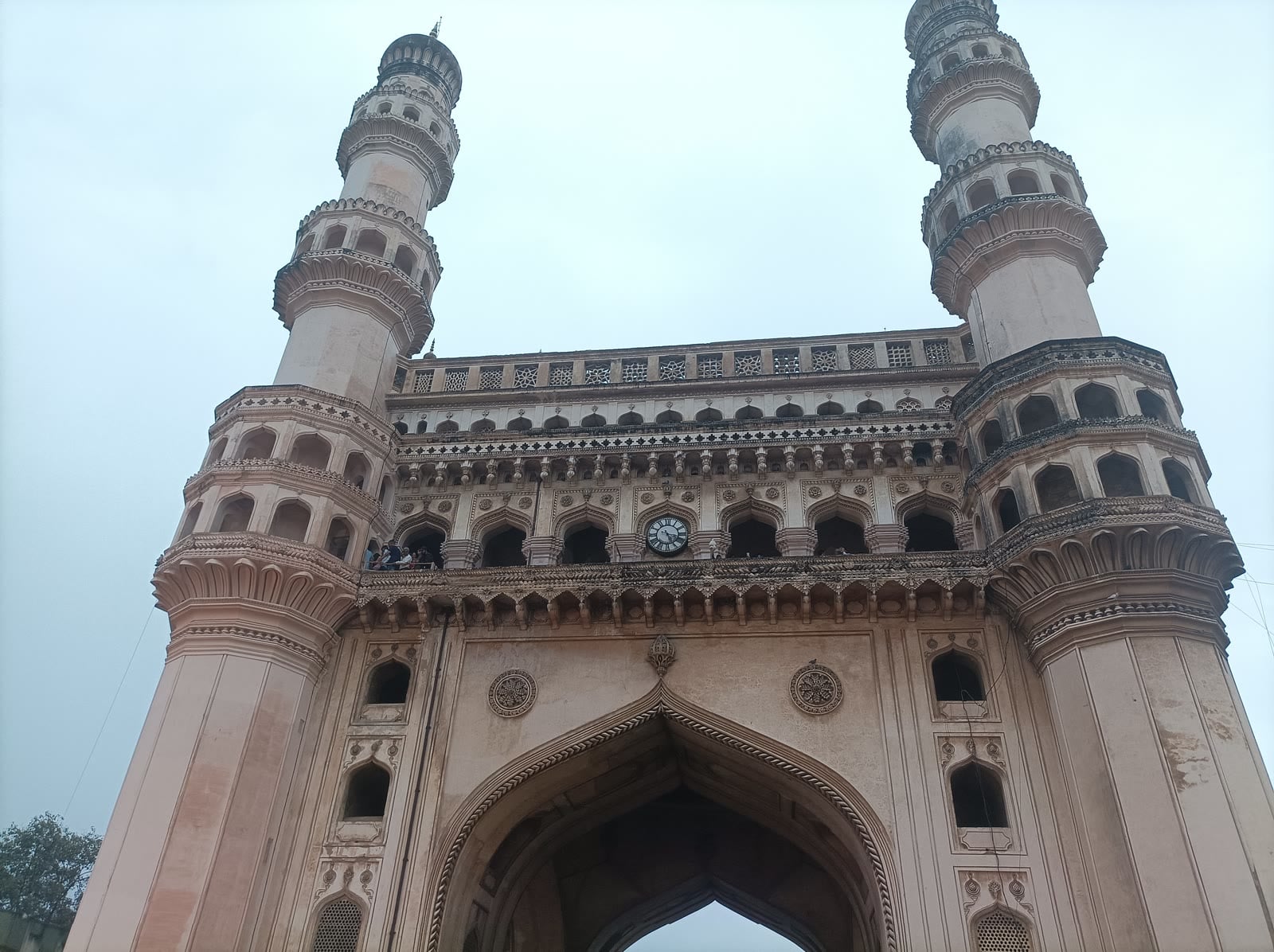
Indian Muslim matrimony in DFW carries its own traditions: biodata exchanged between families, introductions through the community, and a strong Hyderabadi, Gujarati, and Malabar presence. Fazool is built for exactly that kind of intentional, family-guided search, with the wali involved from the start and every profile confirmed against a real photo ID.
The Indian Muslim community in Dallas-Fort Worth is large and well-established, woven through Irving, Richardson, and the Collin County suburbs. Because it is spread across the metroplex, Fazool’s location-aware search helps you see who is genuinely near you before a single message is sent.
The Indian path to nikah, step by step
1 · Rishta / Baat
The proposal. Families or elders exchange a biodata and arrange the first supervised meetings between the two sides.
2 · Mangni
The engagement. Rings are exchanged and the groom’s family brings the joda, the bride’s gifts of clothes, jewellery, and sweets.
3 · Sanchaq
The groom’s family sends the bride her nikah outfit, jewellery, and accessories in the days before the wedding.
4 · Manjha & Mehndi
The manjha (turmeric) and Deccani-style mehndi ceremonies that precede the nikah.
5 · Nikah
The Islamic marriage contract. The bride’s father acts as her wali and the mahr is agreed and given before witnesses.
6 · Valima
The reception hosted by the groom’s family that announces the marriage to the community.
The Indian community across DFW
DFW’s Indian Muslim community concentrates in Irving, long a center for South Asian professional families around the Islamic Center of Irving, and across Richardson and the Collin County suburbs of Plano and Frisco. A sizeable Hyderabadi community gives the metroplex a distinct Deccani character, with its own restaurants, grocers, and community gatherings. Carrollton’s desi corridor rounds out the map. Across all of it, a location-aware search keeps the process grounded in who is actually nearby.
Indian Muslim matrimony has always leaned on biodata and family introductions, often coordinated through community elders and masjid networks. Fazool brings that same care into a verified, searchable space: families can see real, ID-verified profiles of people searching with marriage in mind, and the wali stays part of the conversation rather than an afterthought.
The community’s institutions provide the setting. ICNA Dallas, one of several national Muslim organizations run largely by South Asian families and operating out of the metroplex, keeps a full calendar of programs, while the Islamic Center of Irving and EPIC in east Plano anchor Friday prayers and community life for thousands each week. A large Hyderabadi Deccani community keeps its own traditions alive, from the khara dupatta bridal set to Deccani cuisine, through Eid gatherings and cultural events. These are the same circles where serious introductions naturally begin.