What Is Mahr? Understanding the Islamic Dowry
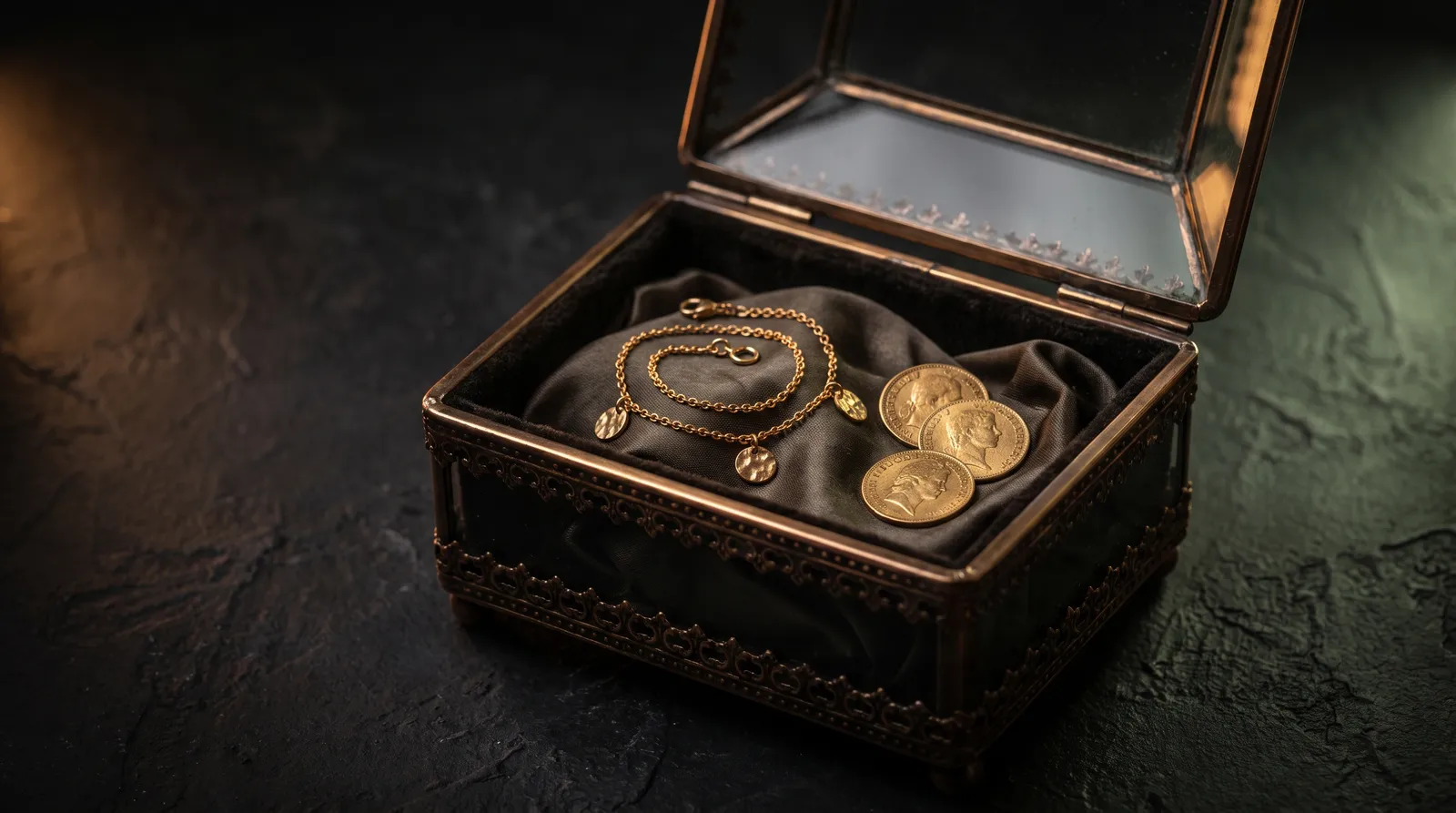
Mahr is a mandatory gift from the groom to the bride, required by Islamic law as part of the nikah contract. Understanding what mahr is, and what it is not, matters before you sit down with a potential spouse's family to discuss the terms of marriage. It is not a price paid for a woman, and it is not a payment to her family. It is a right that belongs to the bride alone.
What Is Mahr in Islam?
Mahr is a gift from the groom to the bride that is specified in the nikah contract. The Quran addresses it directly:
"And give the women [upon marriage] their [bridal] gifts graciously. But if they give up willingly to you anything of it, then take it in satisfaction and ease."
An-Nisa, 4:4 (Saheeh International)
The verse is clear on two points. The gift goes to the women themselves, not to their families. And if a wife freely chooses to give up part or all of it, that is her prerogative. The key word is freely: the waiver must be her genuine, unpressured choice.
Scholars across schools agree on the obligation of mahr, though they differ on certain details around its minimum value and permissible forms. What is consistent is that mahr is the bride's property. She may spend it, save it, invest it, or give it away as she chooses. No one else has a claim on it.
How Much Should Mahr Be?
There is no fixed minimum or maximum stated in the Quran, and scholars have held a range of views across history. What the tradition consistently emphasizes is that mahr should be real, agreed upon freely by both parties, and not set so high that it delays or prevents marriage.
The right amount is whatever both parties agree to freely. Many couples look at what is customary in their community as a reference point, while others choose something personally meaningful rather than monetary. An imam helping with the contract can advise on what qualifies under your school's guidelines.
Who Receives the Mahr?
The mahr belongs entirely to the bride. It does not go to her father, her family, or anyone acting on her behalf.
The mahr is the bride's alone.In some cultural practices this line has been blurred, with families receiving or directing the mahr as though it were theirs. That is not how Islamic law treats it. If someone other than the bride is receiving or directing her mahr, address it directly before the contract is signed.
Only the bride herself can choose to waive or reduce the mahr once agreed upon. Even that waiver must be genuinely voluntary. The Quran's language is intentional: it is given graciously and returned only if the wife chooses freely.
Can Mahr Be Paid Later?
Yes. Mahr is recognized in two main forms, and many couples combine both.
- Prompt mahr. Paid at or before the nikah, often as cash, gold, or a specified gift given at the ceremony itself.
- Deferred mahr. A committed amount recorded in the contract and paid at a later date, commonly triggered by divorce or the husband's death if not settled earlier.
Whatever the structure, the arrangement must be specified and agreed upon before the contract is signed. Vague arrangements lead to disputes later. An imam or knowledgeable person helping with the nikah can help word the terms clearly.
Mahr is one component of the broader nikah contract, alongside the wali, witnesses, and the offer and acceptance. The nikah checklist covers how all those elements fit together. And for a broader set of topics worth raising before marriage, the questions to ask before marriage guide is a useful starting point.
If you are still in the early stages of the search, Fazool is a Muslim marriage app where you can be clear about your expectations from the start.
Related: Nikah Checklist | Questions to Ask Before Marriage | What Is Fazool?